Interest Rate Analysis: What Cuts and Hikes Mean for Buyers
Rate cycles move three levers a buyer cares about: what a loan costs, when a refinance pays, and how sellers price.
Rate cycles move three levers a buyer cares about: what a loan costs, when a refinance pays, and how sellers price.
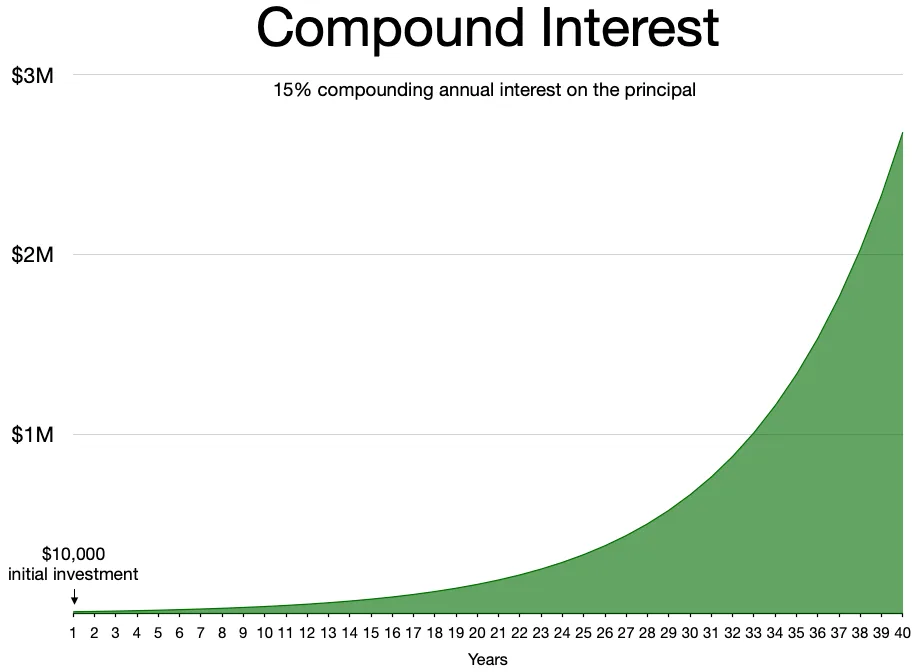
Compound interest pays interest on interest, bending slow starts into steep curves. Here is the math behind it, with simple examples and everyday cases.

Passive investing tracks an index at low cost. Active investing selects holdings in search of an edge. Each carries real trade-offs, and a hybrid plan is simply a way to size them.

Stress-testing allocation, overlap, and concentration turns a list of holdings into a set of measurable exposures.

A second look at AMFIRST's headline figures: the dividend is real per the data, but the price history and the payout math deserve equal weight.

Photos, a signed condition report, and a dated record of every defect are the paper trail that settles end-of-lease arguments.

Student demand and a compressed lease cycle shape what renters pay in Boston. Knowing where the pressure sits makes the search easier to plan.

What separates a deposit deduction that holds up from one that costs the landlord double.

Amortization, refinance, and affordability tools look similar and answer different questions. The inputs that move the numbers most are the ones worth checking first.

The Financial Regulatory Authority's approval lets the group build regulated real estate products across four property segments — what the structure covers, and what it does not yet.

At 7 percent investor financing, the same property that cash-flowed at 4 percent needs either a 45 percent larger down payment or 18 percent higher rent to produce the same monthly result.
The bands, the bonus mechanics, and the honest math on what a banking paycheck is worth per hour worked.
A walk through the data, formulas, and annual adjustments behind the number that sets housing voucher payment standards nationwide.
Online projection tools are only as honest as the assumptions typed into them. Three assumptions do the most damage.
The mechanics behind Section 1031: what property qualifies, the 45-day and 180-day clocks, and why a small landlord cannot act as their own intermediary.
A century-old tax provision lets real estate investors defer capital gains by swapping one investment property for another. Two federal deadlines decide whether the deferral holds.

Why more information can make a decision worse, and how a deadline plus a satisficing rule breaks the stall.

Economic consulting and research careers explained: the roles, the skills, and what the day-to-day work looks like.

A fresh cap on large-scale investor buying arrives just as vacancy and financing data show a rental market in a holding pattern, not a breakout, for small landlords.

The cap rate spread over the 10-year Treasury frames how rental real estate is priced for risk — and 2026's slow appreciation widened the margins that matter.

Rules written for cars decide how many homes a lot can hold. That arithmetic shows up in rents and prices.


The US rental vacancy rate reached 6.9 percent in the third quarter of 2024, its highest reading since 2020, on a construction pipeline that delivered the most apartments in decades.