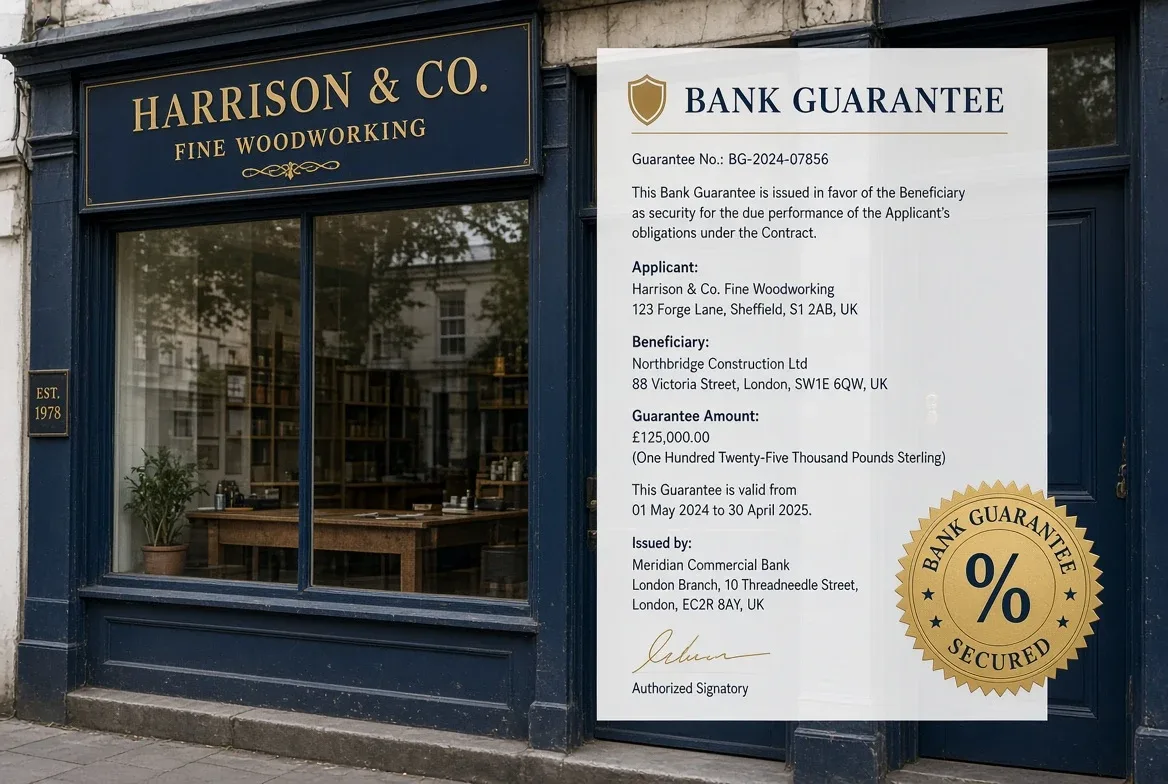
An SBA 7(a) loan is not a loan from the government at all: it is a private bank loan for up to $5 million that the U.S. Small Business Administration partially guarantees, which is why lenders will approve deals they'd otherwise turn down, according to the SBA. The guarantee, not the cash, is the product.
What Is an SBA 7(a) Loan?
The 7(a) program is the SBA's primary business loan vehicle, and its function is narrow but powerful: it provides a loan guarantee to lenders, according to the SBA, which lowers the lender's risk and lets a bank extend credit to a business it might otherwise decline. The money can go toward acquiring, refinancing, or improving real estate; short- and long-term working capital; refinancing existing business debt; machinery and equipment, including AI-related purchases; furniture and fixtures; or a change of ownership, per the SBA.
How Much Can a Business Borrow, and What Changed in 2026?
The maximum loan amount for a single 7(a) loan is $5 million, the SBA says. As of July 4, 2026, the agency also doubled the combined borrowing ceiling for the 7(a) and 504 programs together, from $5 million to $10 million, letting an eligible business carry up to $5 million in each program at once, according to an SBA announcement. The change was aimed at capital-intensive operators — the SBA named construction, logistics, energy, and food-production businesses — that need both long-term financing for equipment and separate working capital. "By doubling the combined loan limits of SBA's 7(a) and 504 loans, this Administration is empowering job creators, particularly manufacturers, to invest in American workers," SBA Administrator Kelly Loeffler said in the announcement.
How Does the SBA Guarantee Actually Work?
The SBA guarantees 85% of a 7(a) loan of $150,000 or less, and up to 75% of any loan above that amount, according to the agency. The SBA's own maximum exposure on a single loan is capped at $3.75 million, except for International Trade loans, which can carry a guarantee of up to $4.5 million. Two smaller sub-programs carry different guarantee levels: SBA Express loans are guaranteed at 50%, while Export Express and International Trade loans get a 90% guarantee, the SBA says. The guarantee covers the lender's loss if the borrower defaults — it does not reduce what the business owes.
What Will the Loan Actually Cost?
Interest rates on 7(a) loans are capped, not fixed, and the cap shrinks as the loan size grows: a maximum of the base rate plus 6.5 percentage points on loans of $50,000 or less, base plus 6.0 points on loans from $50,001 to $250,000, base plus 4.5 points from $250,001 to $350,000, and base plus 3.0 points above $350,000, according to the SBA. Loan terms run up to 10 years for working capital, or up to 25 years, including extensions, for real estate. Lenders also pay an upfront guarantee fee and an annual service fee tied to the outstanding guaranteed balance, either of which may be passed on to the borrower, the SBA notes. Loans with a maturity of 15 years or more carry a prepayment penalty if the borrower pays down 25% or more of the balance within the first three years: 5% of the prepaid amount in year one, 3% in year two, and 1% in year three, per the SBA.
Who Qualifies — and Who Doesn't?
To be eligible, a business must operate for profit, be located in the U.S., meet SBA size standards for a small business, and be unable to get comparable credit on reasonable terms from a non-government source, according to the SBA. It must also be "creditworthy" and show a reasonable ability to repay. Eligibility has also narrowed on citizenship: a policy that took effect February 28, 2026 restricted access to the SBA's most popular loans to U.S. citizens, ending eligibility for legal permanent residents who previously qualified, NPR reported. The change matters in practice — NPR profiled Cristina Foanene, who used an SBA loan as a legal permanent resident to launch MCS Glass in Fresno, California, a company that has since grown to 25 employees. "If we would've come to America last year and getting to apply right now, we would've lost this opportunity," Foanene told NPR.
How Does a Business Actually Apply?
There is no application to the SBA itself. Businesses apply directly through a participating lender — typically a bank or credit union — and the SBA offers a Lender Match tool to help owners find one, according to the agency. The lender underwrites the loan and decides whether to extend it; the SBA guarantee only applies once a lender has agreed to make the loan.
The Bottom Line
A 7(a) loan is a federal guarantee wrapped around a private bank loan, not a grant or a direct government check, and every number that matters — the guarantee percentage, the rate cap, the fees, the citizenship requirement — depends on the loan's size and the borrower's specific situation. Reading the SBA's own terms before walking into a lender's office is the difference between negotiating from knowledge and taking whatever is offered. This is informational reporting on how a federal loan program works, not financial or lending advice for any specific business.
For a related entrepreneurship perspective, read How Does an SBA 7(a) Loan Actually Work?.
For more context, read What the SBA's 75% Loan Guarantee Actually Covers.
For more context, read What an SBA 7(a) Loan Really Costs Small Business Owners.
For more context, read How the 6.75% Prime Rate Resets Your SBA Loan Cost.