Compound Interest Explained: The Math Behind Wealth
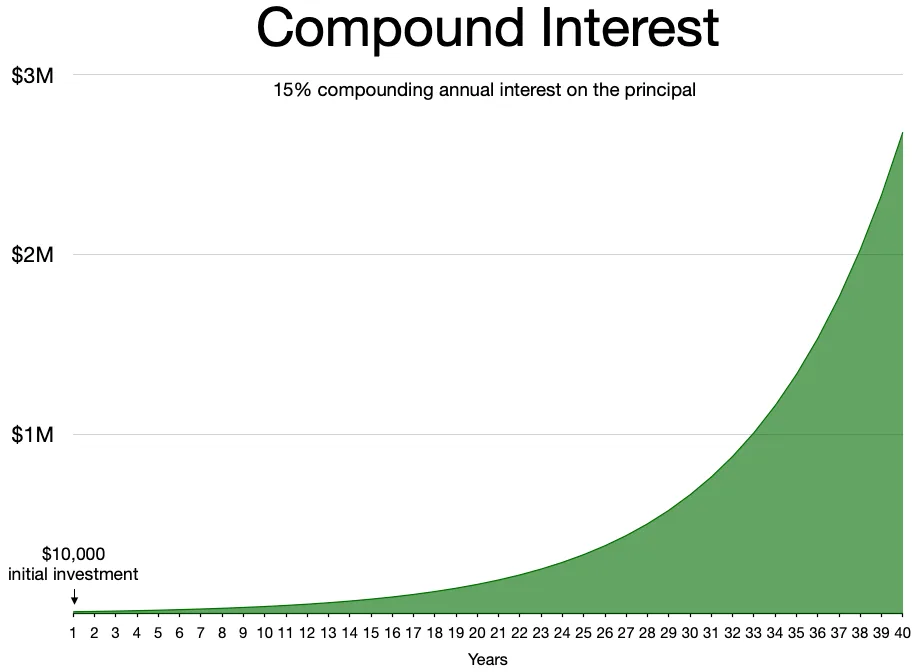
Compound interest pays interest on interest, bending slow starts into steep curves. Here is the math behind it, with simple examples and everyday cases.
Peter AlmeidaWhere the numbers work and where they only look like they do: market selection, purchase price discipline, and the assumptions behind a projection.
Compound interest pays interest on interest, bending slow starts into steep curves. Here is the math behind it, with simple examples and everyday cases.
Peter Almeida
Passive investing tracks an index at low cost. Active investing selects holdings in search of an edge. Each carries real trade-offs, and a hybrid plan is simply a way to size them.
Peter Almeida
Stress-testing allocation, overlap, and concentration turns a list of holdings into a set of measurable exposures.
David Jordan
A second look at AMFIRST's headline figures: the dividend is real per the data, but the price history and the payout math deserve equal weight.
David Jordan
The bands, the bonus mechanics, and the honest math on what a banking paycheck is worth per hour worked.
Peter Almeida