A statewide rent control initiative in Massachusetts would cap annual rent increases at the lower of the Consumer Price Index or 5 percent, per the initiative petition certified for the 2026 process. The campaign, Keep Massachusetts Home, announced more than 124,000 signatures on November 18, 2025 and delivered roughly 90,000 to the Secretary of the Commonwealth by the December 2, 2025 deadline — well past the 74,574 required in the first round.
What would the initiative actually do?
The petition, an initiative to limit rent increases, would end Massachusetts's three-decade ban on rent control and allow caps set at the lower of CPI or 5 percent per year, with carve-outs for new construction, owner-occupied small buildings, and other exemptions, per the certified petition text. As an indirect initiated statute, it first went to the legislature; with lawmakers declining to enact it, the campaign must collect a second round of 12,429 signatures by early July 2026 to reach the November 3, 2026 ballot, per the state's process.
Where does the political support sit?
Boston's city council adopted a supporting resolution on a 9-3 vote, and Boston's mayor backs the measure, per the city's own announcement — a notable data point in a state where the 1994 referendum banned rent control in the first place. Local precedents outside Massachusetts run the other way: California voters rejected the rent control expansion on their 2024 ballot after a campaign that drew more than 150 million dollars, per CalMatters.
What would a CPI-or-5 percent cap change for landlords?
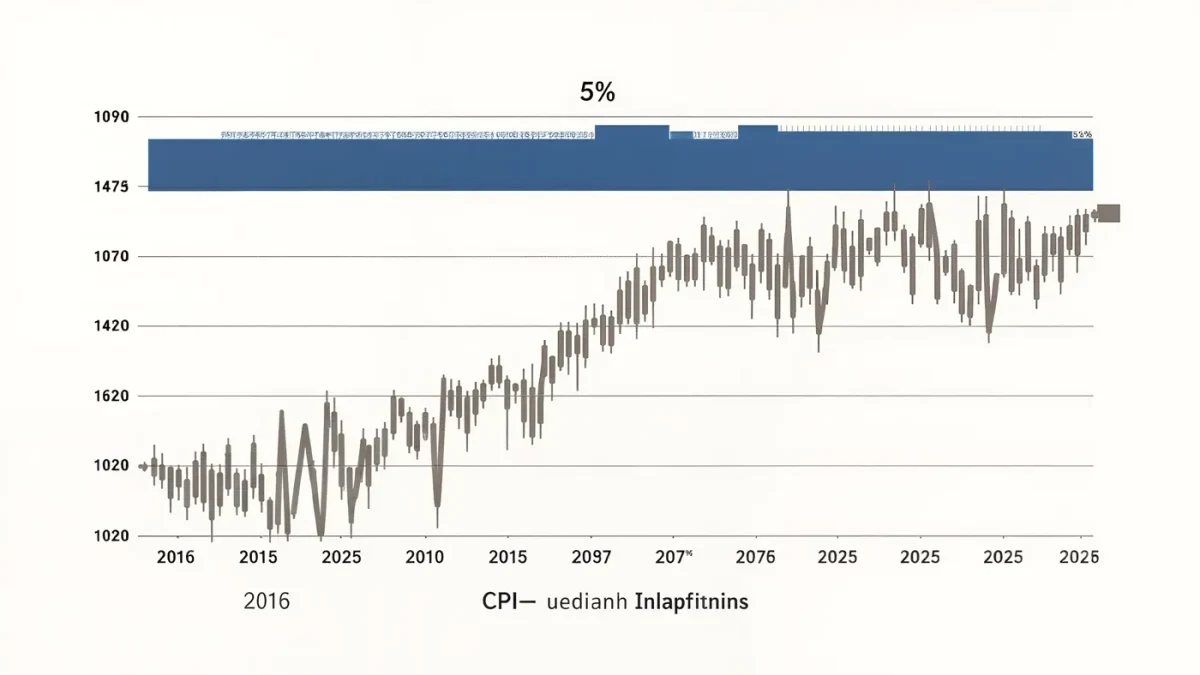
The arithmetic, not the label. A cap at the lower of CPI or 5 percent binds hardest exactly when operating costs — insurance, taxes, repairs — rise faster than CPI, because the rent ceiling moves with a consumer index while expenses move with a property-cost index. For underwriting purposes, a capped market changes the exit assumption more than the entry assumption: projected rent growth compounds at the cap, not at the market. Exempt categories such as new construction and owner-occupied small buildings shift where new small-landlord supply would concentrate.
What happens between now and November?
The procedural gates are fixed: second-round signatures by early July 2026, then a November 3, 2026 vote. Nothing in the measure takes effect before voters act, and current Massachusetts law — no rent control — governs until then. Owners of Massachusetts rentals face a calendar risk, not a rule change: the second-round filing is the next verifiable milestone.
The Massachusetts question is the largest rent control vote since California's 2024 measure failed, and its outcome would set the template other state legislatures watch. For small landlords, the number to model is 5 percent — with CPI lower in most years of the past decade, the effective cap has usually been the inflation index, not the headline figure.