Interest rate analysis is the practice of reading where borrowing costs sit in a cycle and working out what that does to a property deal. It matters because the rate on a loan changes three things at once: the monthly payment a buyer can carry, the arithmetic of refinancing later, and the way sellers set asking prices. Get the cycle wrong and the numbers in a pro forma stop meaning anything.
The basics are simple. Interest is the cost of borrowing money, or the reward for saving it, depending on which side of the transaction a person sits. As Bankrate explains, a borrower pays interest as a percentage of the loan amount each year, while a saver earns it as a yield on deposits. That percentage is the single most powerful input in any purchase calculation, which is why rate analysis comes before cap rate analysis, not after.
This piece covers how rate movements flow into affordability, when a refinancing window opens and closes, and what sellers do in each part of the cycle. It is information about how the math works, not investment advice.
What does interest rate analysis actually involve?
It means tracking the direction and level of borrowing costs, then mapping that against a specific deal. The rate a borrower actually gets depends on both market conditions and personal credit. Lenders set a range of possible rates, and where a borrower lands inside that range depends on credit history and debt-to-income ratio, per Bankrate. Two buyers looking at the same building can face very different costs.
The analysis has three parts. First, the level: what the loan costs today. Second, the direction: whether the cycle is cutting or hiking, which shapes expectations. Third, the spread: how the borrowing cost compares with the income a property produces. A deal that works at one rate can fail at another without the rent changing by a dollar. That is the whole point of running the numbers before the cycle runs them. This connects to our earlier piece, Rent-to-Income Ratios: How Far the Affordability Ceiling Has Stretched.
How do rate cuts change what a buyer can afford?
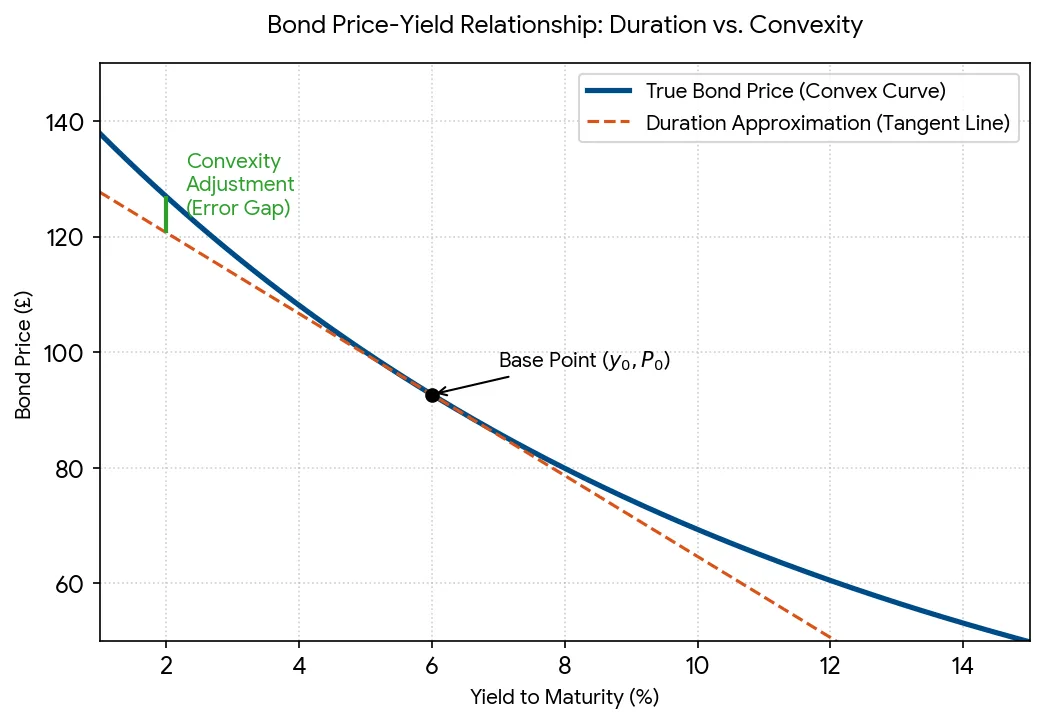
A cut lowers the annual percentage a lender charges on new loans. Because a mortgage payment is mostly interest in the early years, even a modest reduction in the rate lowers the monthly cost of the same loan amount. That is the affordability lever, and it works in reverse just as fast. When rates rise, the same borrowed sum costs more each month, so the price a buyer can justify falls unless income rises to match.
Bankrate's own illustration shows how sharply the personal side of this swings. On a five-year, $30,000 car loan, a borrower with excellent credit might pay a fixed 6 percent rate with a monthly payment of about $580, while a borrower with poor credit on the same loan might face 13 percent and a payment near $683. The market rate is one variable; the borrower's own rate is the one that can double the cost. Property buyers should run both scenarios, not just the optimistic one.
There is a second-order effect worth naming. Lower rates push more buyers into the market at once, because more of them clear the payment test. More bidders means more competition for the same inventory. A cut that looks like relief can also look like a bidding war, depending on the block.
When does refinancing actually pay?
A refinance replaces an existing loan with a new one at the current rate. The window opens when the new rate is low enough that the monthly saving covers the cost of doing the deal, and closes when it is not. Lenders charge fees on top of the rate, which is why Bankrate recommends comparing annual percentage rates, or APRs, among lenders rather than headline rates, since the APR factors in both the interest rate and other fees.
The practical test is straightforward. Add up the closing costs of the new loan. Divide the monthly saving by that total. The result is the number of months it takes to break even. If the break-even sits well inside the time the buyer expects to hold the property, the window is open. If it does not, the existing loan is cheaper than the ceremony of replacing it. Variable-rate borrowers have a different problem: their rate moves with the market, so a hiking cycle raises their cost without any action on their part, which is a reason fixed-rate structures exist at all.
What do rate cycles do to seller behavior?
Sellers read the same cycle buyers do, and they adjust in opposite directions. In a cutting cycle, sellers hold firmer on price, because affordability is improving and they expect more buyers to arrive. In a hiking cycle, sellers face a shrinking pool of buyers who can clear the payment, and the ones who remain know it. Price reductions become more common, and time on market stretches.
For a buyer doing rate analysis, the seller's position is part of the deal. A seller who bought or refinanced at a low rate has less pressure to move; a seller carrying a high-rate loan has more. Neither fact appears in a listing, but both shape how much room there is to negotiate. The rate environment sets the mood on both sides of the table, and the patient side usually does better.
What this means for a property buyer's arithmetic
The yield math and the rate math are the same math viewed from two ends. A rental property's return has to be judged against what the money could otherwise earn and what the debt costs. When rates fall, the hurdle drops and deals that looked thin start to clear. When rates rise, the hurdle climbs and the same deals fall short. Anyone weighing yields across markets can see how this interacts with the spread between cap rates and Treasuries, which moves with the same cycle. Readers following this should also see Cap Rate Spreads Over Treasuries: Reading Compression Across 2026 Markets.
Three habits keep the analysis honest:
- Stress-test every deal at a rate higher than today's. A pro forma that only works at the current rate is a bet on the cycle, not on the property.
- Compare APRs, not headline rates, when weighing lenders, because fees change the true cost.
- Watch affordability on the tenant side too, since rents face the same income constraints. Readers tracking that pressure can see how far it has run in the rent-to-income ratio trends.
None of this predicts where rates go next. It says only that the rate is an input, the cycle is a context, and the deal has to survive both.
Where the analysis stops
Rate analysis tells a buyer what a loan costs today and what it would cost under different assumptions. It does not tell anyone where the next move lands, and it does not replace the property-level work: the roof, the leases, the vacancy on the block. The cycle sets the financing terms. The building decides whether the terms were worth accepting.