
Topic
European Real Estate Investment Held at €51.5 Billion in Q3, With the UK Carrying the Load
The year-to-date total is up 8 percent, but the growth is concentrated in one country and one sector — and that concentration is the story.
The year-to-date total is up 8 percent, but the growth is concentrated in one country and one sector — and that concentration is the story.

Rate headlines do not decide a refinance. Closing costs, months remaining, and how long the borrower stays put do.

The break-even question is mileage, not price. Here is how rental, car-share, and ownership compare at different driving levels.
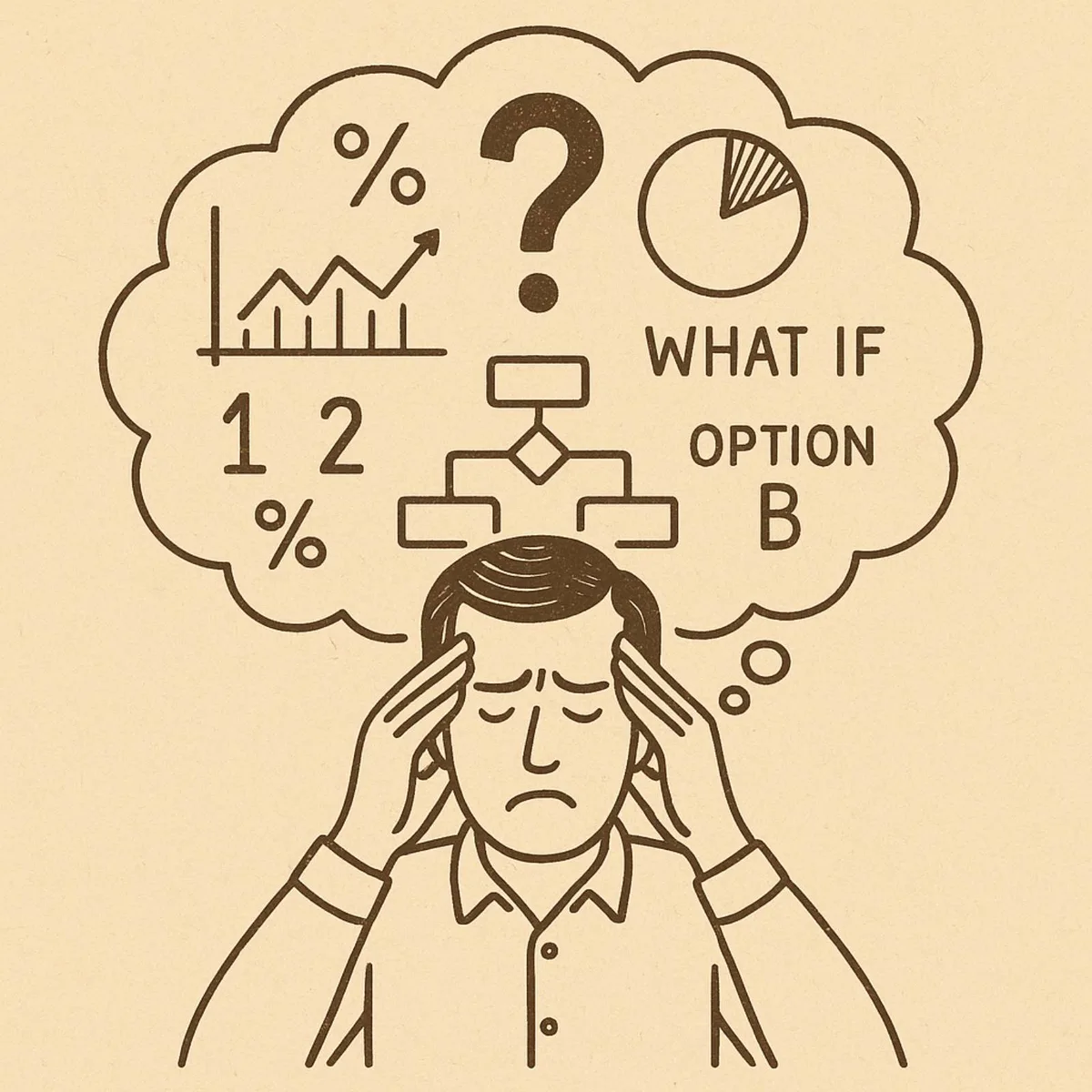
Why more information can make a decision worse, and how a deadline plus a satisficing rule breaks the stall.

Passive investing tracks an index at low cost. Active investing selects holdings in search of an edge. Each carries real trade-offs, and a hybrid plan is simply a way to size them.

Stress-testing allocation, overlap, and concentration turns a list of holdings into a set of measurable exposures.

Rules written for cars decide how many homes a lot can hold. That arithmetic shows up in rents and prices.

Economic consulting and research careers explained: the roles, the skills, and what the day-to-day work looks like.

A second look at AMFIRST's headline figures: the dividend is real per the data, but the price history and the payout math deserve equal weight.

The bands, the bonus mechanics, and the honest math on what a banking paycheck is worth per hour worked.