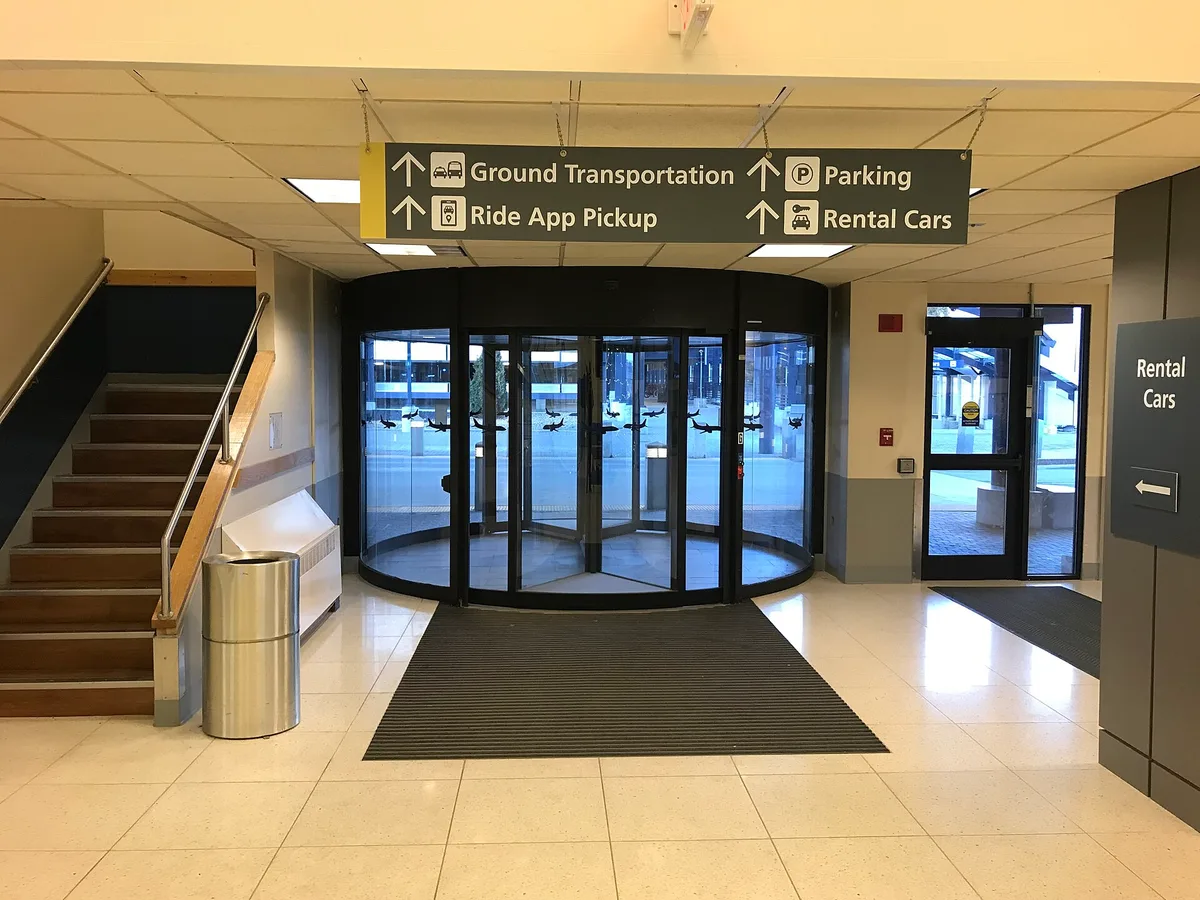
Renting a car beats owning it when a household drives occasionally — a few trips a month, a vacation, a furniture run. Ownership wins once driving becomes a near-daily habit, because the fixed costs of a car arrive whether the car moves or not. The switch point is mileage and usage frequency, not the sticker price of either option.
The comparison is not really rental car versus car. It is a variable cost weighed against a stack of fixed ones. A rental charges only for the days used. Ownership charges every day: the loan or the cash tied up, insurance, registration, parking, and the depreciation that happens in the driveway. That structure is why low-mileage drivers often pay less to rent than to own, and why the gap closes — then reverses — as annual miles climb. We covered a connected angle in Building a Maintenance Reserve: What Aging Systems Actually Cost. We covered a connected angle in Building a Maintenance Reserve: What Aging Systems Actually Cost.
This is information about how the arithmetic works, not a recommendation to buy or sell anything. Local prices vary widely, so the framework matters more than any single figure.
What does owning a car actually cost per year?
Ownership cost splits into two piles. The fixed pile runs regardless of mileage: financing or the opportunity cost of cash, insurance premiums, registration and taxes, parking, and depreciation. The variable pile scales with driving: fuel, tires, oil changes, brakes, and the repairs that arrive with age.
Depreciation is the line item most owners undercount. A vehicle loses value while it sits, and the loss is steepest in the early years of a car's life. Insurance is the other quiet giant — it is priced on the car, the driver, and the ZIP code, not on how often the car is driven, though some insurers do offer low-mileage pricing.
For a household weighing the decision, the honest exercise is to list the fixed pile first. If those items alone rival what occasional rentals would cost, ownership is already an expensive convenience.
When does renting come out ahead?
Renting wins wherever use is sparse and predictable. The classic cases: a household without a car that flies most places and rents for a week of vacation; a city dweller who drives a handful of times a year; a two-adult household that owns one car and rents a second for occasional trips instead of carrying a second fixed-cost stack all year.
Wikipedia's overview of renting describes the general logic that applies here: renting suits things needed only temporarily or infrequently, shifts the burden of upkeep and maintenance to the owner, and avoids tying up capital in a depreciating asset. Those reasons map directly onto the car case — the renter pays nothing when the car sits, and the rental company absorbs depreciation, servicing, and resale risk. According to Wikipedia, renting can also be a way of reducing financial risk due to depreciation and transaction costs, especially for real estate which might be needed only for a short amount of time.
The trade-offs are real. Rental pricing spikes with demand, so a holiday week can cost far more than the same days in a quiet month. Pickup and return eat time. And a rental never solves the errand problem — the grocery run that would take fifteen minutes by car is not worth a rental day.
Where does car-share fit?
Car-share sits between the two. Vehicles live in the neighborhood, billed by the hour or the minute, usually with fuel and insurance folded into the rate. It answers the short-errand case that traditional rental handles badly, and it avoids ownership's fixed pile entirely.
The fit depends on geography. Car-share works where vehicles are parked nearby and dense — central cities, campus areas, transit-rich neighborhoods. It works poorly where the nearest shared car is a long walk or a bus ride away. Availability is also a risk: on a holiday weekend, the shared car around the corner may already be booked, which is exactly when the traditional rental counter is most crowded too. For related coverage, see Short-Term vs Long-Term Rentals: Regulation Risk Differs by City. For related coverage, see Short-Term vs Long-Term Rentals: Regulation Risk Differs by City.
How mileage moves the break-even point
A useful way to frame the decision is cost per mile. Rental and car-share prices are mostly fixed per day or per trip, so the effective cost per mile falls as the days of use per year rise. Ownership's fixed pile behaves the same way — spread over more miles, its per-mile cost drops — and ownership's variable costs per mile are typically lower than rental's daily rate converted to miles.
So the two curves cross. At low annual use, the rental's per-mile cost is low because so few days are paid for. As use climbs toward weekends-plus and then near-daily, the rental bill compounds into a number that would cover a large share of a car's fixed costs — and ownership starts to look like the cheaper way to buy the same mobility. Drivers in the middle face a genuine judgment call, and the honest answer is that it depends on the local prices for both options.
An illustration using rough categories rather than figures: a household that rents a few weekends and one vacation week a year is almost always better served by renting. A household that would rent most weekends plus a weekly commute car is usually past the crossover. The middle band — one to two rental days a month, every month — is where the local price check decides it.
What this means for city renters
For readers who rent their housing, the car decision compounds with the housing one. Parking is a line item in many urban leases, and a household that owns a car it barely drives may be paying for a parking space as well as the car. In expensive markets, the combined monthly cost of housing plus an underused car can rival the cost of housing plus frequent rentals and car-share. For context on how far urban asking rents stretch, Boston listings on Zillow currently show studios starting around $2,441 to $2,945 a month and two-bedrooms from roughly $3,163 to $5,075 — figures that make any recurring car expense worth a second look in that market.
Practical steps for the decision:
- Tally the true fixed costs of the car currently owned or considered: financing, insurance, registration, parking, and an honest depreciation estimate.
- Estimate real usage — days per month the car would actually be needed, not days it could be.
- Price the rental and car-share alternative for that same usage pattern, including peak-season dates.
- Compare the totals and revisit annually; the crossover moves as prices and habits change.
The data supports a narrow conclusion: usage frequency, not vehicle price, drives the answer. What remains unknown for any specific household is its own usage pattern — and that number, more than anything on a rental counter, settles the question.